Pagina's

woensdag 30 mei 2018

Safety Measures: Learning From The Atlanta Ransomware Attack

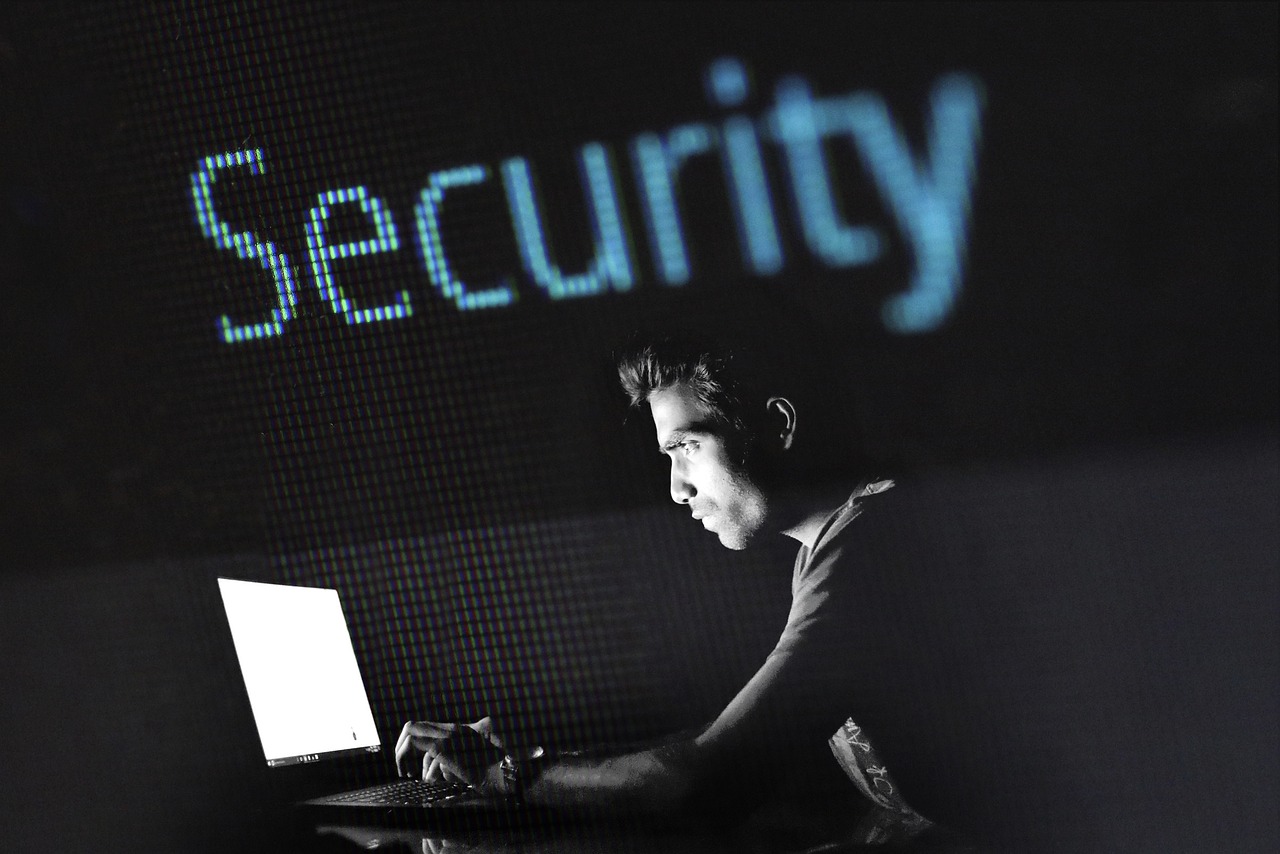
The Atlanta ransomware attack that occurred in March 2018 has prompted discussions between IT professional and cybersecurity experts based in the U.S. and U.K. The agenda was how to detect and prevent future attacks.

Image source: tripwire.com

Upon further investigation, it was deemed that the IT group in Atlanta took weeks before updating their systems with patches provided by Microsoft. This just shows how important it is to follow basic safety measures. 

Here are some more reminders for the public to minimize the damage caused by ransomware.
  • Backup all critical data regularly. Many ransomware hackers have no use for the data they encrypt, which means data backups render ransomware useless for hackers.
  • As soon as they become available, install security patches for operating systems and any other devices, and install updates whenever you are notified. Patches and updates fortify any vulnerabilities in the system.
  • Anti-virus and anti-malware programs should be installed on all devices and operating systems.
  • Administrators should have contingencies in case hackers successfully deliver the ransomware. These contingency plans should allow the continued operation of government services while IT experts find a way to deal with the attack.
  • Hacking tests should be conducted on government systems on a regular basis. This identifies holes in the system, which should either be patched up or removed entirely from data servers. 

Image source: bankinfosecurity.com

Richard Blech is the CEO of Secure Channels, a company conceiving solutions designed to be customizable to its clients’ environment without compromising the level of protection it provides and reducing maintenance costs. For more tips on cybersecurity, visit this blog.

dinsdag 17 april 2018

A Quick Look At Cyber Threat Intelligence

For today’s businesses and organizations, it is no longer enough to deal with cyberattacks once confronted by them, or act once damage has already been done. As a preemptive move, companies allocate time and resources to protective strategies such as cyber threat intelligence (CTI), is which organizing, analyzing, and refining information about potential or ongoing cyberattacks that threaten them.
Image source: Pixabay.com

CTI is mainly intended to help companies and organizations know and understand the risks of common and severe threats from the outside, ranging from zero-day threats to advanced persistent threats or APTs. It involves detailed information about certain threats to help protect them from the most extensively damaging attacks that could occur in the future.

CTI can provide different benefits to different people in the organization. For directors and executives, it can help improve situational awareness and offer scalable, repeatable processes and platforms to leverage their security strategy. It will also help Chief Information Security Officers (CISOs) to educate senior leadership on current and emerging risks, as well as the most effective ways to manage them.

This isn’t an end-to-end process, but instead a circular process known as the intelligence cycle. In the cycle, requirements are stated, data collection is implemented and evaluated, and the results are analyzed to produce intelligence reports. The resulting intelligence is disseminated and revisited regularly to consider new information and user/consumer feedback.
Image source: Pixabay.com


The desired output is greater insight into cyber threats, making room for faster, more targeted responses to them as well as proper development and allocation of IT and other resources.

Richard Blech is the CEO of Secure Channels, a company that offers customized data security solutions without compromising the level of protection provided while avoiding additional maintenance and support efforts. For similar reads, click here.


woensdag 28 maart 2018

Top cyber fraud trends in banking today

Financial institutions worldwide are facing a revolution in data access, artificial intelligence, and numerous disruptions that affect their legacy systems and processes. Then there are cyber fraud trends that hound their health in 2018. Here are some of the things they need to protect their customers, data, and organizations from. 

Image source: Pixabay.com

Unprecedented rise of mobile Banks will need to tighten their control on e-banking fraud, with mobile internet navigation more widely used today than computer navigation. The usual level of security typically found on mobile devices just doesn’t cut it anymore, needing new security layers such as those against SIM-switching. 

Scam explosion Certain scam attacks also exploit artificial intelligence (AI) technology, going on an industrial scale such as the use of robots to launch attacks. The scope is then much bigger and would entail real-time prevention and vigilance from the banks. 

Attacks via the underlying blockchain technologies of financial systems Nearly all of the large financial organizations worldwide are investing in systems based on blockchain technology, which comprises vulnerabilities and errors in implementation that can enable attackers to earn money and disrupt their regular work. 

ATM malware automation The first of these attacks occurred in 2009, and since then ATM machines have been on the radar of cyber fraudsters. Today this threat could reemerge as ATM malware-as-a-service, where a mini-computer connects automatically to an ATM, installs itself, and collects card data. 

Image source: Pixabay.com 

Richard Blech is the CEO of Secure Channels, a company that comes up with solutions designed to be customizable to its clients’ environment without compromising the level of protection it provides while avoiding additional maintenance and support efforts by support teams. Learn more on this page.

vrijdag 9 maart 2018

Of credit card transactions and online security

One can never overlook the importance of security when it comes to the internet. Cybercriminals are everywhere waiting for a chance to steal data, cash, and other valuables they can get their grimy hands on. An area that is under constant threat is that of credit card transactions. 

Image source: entrepreneur.com

Over the past few years, people and businesses have ignored the fact that online security is a significant part of transactions involving credit cards. In fact, Verizon Communications reported that 80 percent of global retailers are not up to code with their online security. This is a pressing concern since shoppers have expressed much anxiety toward the possibility of hackers breaching the retailers’ data and stealing information attached to their credit cards. 

Thankfully, technology is being developed to counter cyber theft of credit card info. Some companies have begun upgrading payment processes to allow only Europay Mastercard Visa microchips. The unique encryption generated during each transaction by these cards makes it more difficult for cybercriminals to get through, much less read, information. Although it may not be as convenient as previous credit cards, the security it provides is tighter and harder to crack. In the U.K. alone, using Europay Mastercard Visa has reduced domestic fraud by a third, which is a win by any standards. 

But this isn’t the only technique being used to protect online transactions. It’s fortunate for everyone that as hackers get more and more sophisticated, so does cybersecurity. 

Image source: TIME.com

Secure Channels CEO Richard Blech has data security, technology, and strategic alliances as his primary business focus. Read more about his industry on this blog.

dinsdag 27 februari 2018

Why organizations need to consider a key management solution

To secure every bit of information in an organization, various protection measures must be implemented. One of the most commonly chosen t00ls because of its capability to cover a lot of ground is data encryption. 

Image source: ophtek.com

Encryption is a form of cryptography, which is also called by some as the study of secret communication. It involves transforming plaintext or readable private information into something that appears nonsense so that third-party entities – named “adversaries,” in cryptography – cannot understand the data, should they get a hold of it. 

The intended recipients of the information are then provided with a means to decode it. In data encryption, the tool used to do is called a “key.” 

In an organization that employs data encryption, there can be countless keys involved, depending on the number of people, machines, and applications. To ensure efficiency and productivity, a key management system can be advantageous. 

Key management is the process of the generation, exchange, storage, use, and crypto-shredding of said keys. It can also be given the responsibility of distributing the keys to the pertinent users or groups. Moreover, some systems can monitor and record the instances when the keys are used for further protection. 

Image source: mil-embedded.com

Entrepreneur and innovator Richard Blech heads Secure Channels, which offers solutions that ensure the protection of client data from any form of theft. Mr. Blech is also a strong advocate of disruptive technology and strategic alliances. Read more about him by visiting this page.

donderdag 28 december 2017

Enemies at the gate: The rise of cyber-protection

History has seen its share of entities that have evolved to cope with the times. From fishes that developed legs to walk on land during prehistoric times to cavemen learning how to use fire and weapons to survive, evolution is a way to ensure things continue and improve. 

Image source: stlawu.edu

In today’s digital age, with the World Wide Web transforming into a world of its own, it was an inevitability that cyber-protection evolved to tackle the ever-growing threat of cybercriminals and dangerous programs that serve to destroy and promote anarchy. Without cyber-protection, as the world knows it today, cyberspace would be in complete disarray and total ruin. 

It was around 30 years ago when the first computer worm hit the web and hit it hard. A number of IT experts were quickly convinced that if a single program could be enough to bring the internet to its knees, something had to be done.

However, the safety programs back in the day were still not enough, as a new strain of malware had evolved into the Melissa and ILOVEYOU programs, affecting and damaging millions of PCs globally. 

Once again, a technological evolution had to happen to keep the world safe. IT experts came up with more aggressive antivirus programs and firewalls to combat the looming threat. Programs not only defended but also quarantined harmful files, and weren’t restricted to computers. They could now be used online as well. 

Today’s antivirus and anti-malware programs are much more sophisticated than ever before, which is for the best. Who knows what troubles cybercriminals may think of next? 

Image source: seasnet.ucla.edu

Secure Channels CEO Richard Blech is an entrepreneur, investor, and innovator. His primary business focus is on data security, technology, and strategic alliances. Visit this blog for more updates on the industry.

donderdag 30 november 2017

The malware that the FBI fears the most

While cybersecurity has evolved by leaps and bounds over the past decades, so have the methods of cybercriminals the world over. In fact, some of the dangerous programs existing in cyberspace today baffle even the best IT professionals. One such program is ransomware.

Image source: trendmicro.com
 
Ransomware is a type of malware that enters computer systems through email accounts. Like most harmful programs, ransomware presents itself as a harmless program that anyone can point and click on. A single click would cost a person around $500 dollars. Why? Because a single click can lock a computer and encrypt all the important files inside. The only way to open it up again is to pay the ransom, and receive the password.

Ransomware has earned the infamous reputation of being one of the very few programs the Federal Bureau of Investigation (FBI) has given up on. During one it’s fiercest attacks, ransomware left all IT experts in shambles, including those from the FBI. In fact, the FBI simply suggest that victims of this malware should just pay the ransom.

With a computer program of this caliber on the internet, IT and cybersecurity experts caution people when opening emails. The main point being that the strategy should be prevention until someone somewhere finds a way to reverse the effects of ransomware once it’s affected a computer and its files.

Image source: automationalley.com

 Secure Channels CEO Richard Blech is an entrepreneur, investor, and innovator. Learn more about his industry on this page.